.webp)


How Do Brand Owners Create Exclusive Floral Patterns?
- Dora

- Jul 15, 2025
- 4 min read
Updated: Oct 27, 2025
An Analysis of the RunpWell Co-Branding Design Model
In the competitive world of wallpaper and surface decor, visual differentiation isn't optional—it's essential. As North American consumers gravitate toward design-driven, Instagram-worthy interiors, B2B clients face rising pressure to deliver SKUs that are both exclusive and emotionally resonant. For brand owners, "me-too" patterns no longer cut it.
So how do successful brands develop original, ownable floral wallpaper lines—without incurring high design risk, extended lead times, or minimums they can't meet?
At RunpWell, we offer a proven co-branding design model that empowers clients to co-create exclusive floral collections tailored for their local customers. This article breaks down that model, backed by real-world results, user insights, and a streamlined execution roadmap that makes bespoke design accessible and low-risk for North American partners.

Why Floral Patterns Still Dominate
Floral motifs remain a top-selling category across home decor, commanding over 23% of all patterned wallpaper sales globally (Source: ReportsValuates.com, 2024). In North America, florals account for approximately 29% of peel-and-stick wallpaper searches on platforms like Amazon and Wayfair (Source: JungleScout keyword tracker, Q2 2025).
Why the staying power? Florals are emotionally versatile: they can be calming (pastel botanical), energizing (tropical bloom), or nostalgic (vintage rose). They also perform well in seasonal collections and influencer-led launches. Brands continue to revisit florals because they serve as a reliable bridge between trend-driven aesthetics and broad consumer appeal.
Beyond aesthetics, floral wallpapers also thrive due to their adaptability in both residential and commercial contexts. From spa walls to boutique lobbies to accent walls in model homes, floral motifs offer a low-risk, high-reward visual experience. For B2B players, this translates to faster client approvals and lower return rates.

The Pain Point: Why Many B2B Buyers Struggle
Many brand owners want exclusive designs but run into the following barriers:
High design fees when outsourcing to overseas studios
Lack of data on what designs resonate with local U.S. consumers
Minimum order quantities (MOQs) that block experimentation
Time-consuming sample iterations without quality guarantees
Limited in-house design capacity to handle iterative visual development
These issues lead to repeated SKU relisting, excess inventory, and missed retail windows. It also creates friction in the buyer journey, especially on digital platforms where speed to market is crucial.
RunpWell's Co-Branding Design Model
We designed our co-branding system to eliminate these roadblocks. Here’s how it works:
Phase | Description | Client Value |
1. Local Insight Briefing | We review your target region, demographic data, and channel trends | Ensures designs reflect your core buyer profile |
2. Trendboard & Sketch Phase | Our in-house design team delivers 3–5 themed sketches within 5 days | Fast ideation aligned to real-time trends |
3. Joint Design Selection | You choose the sketches to finalize and refine color/pattern details | Hands-on creative control without technical work |
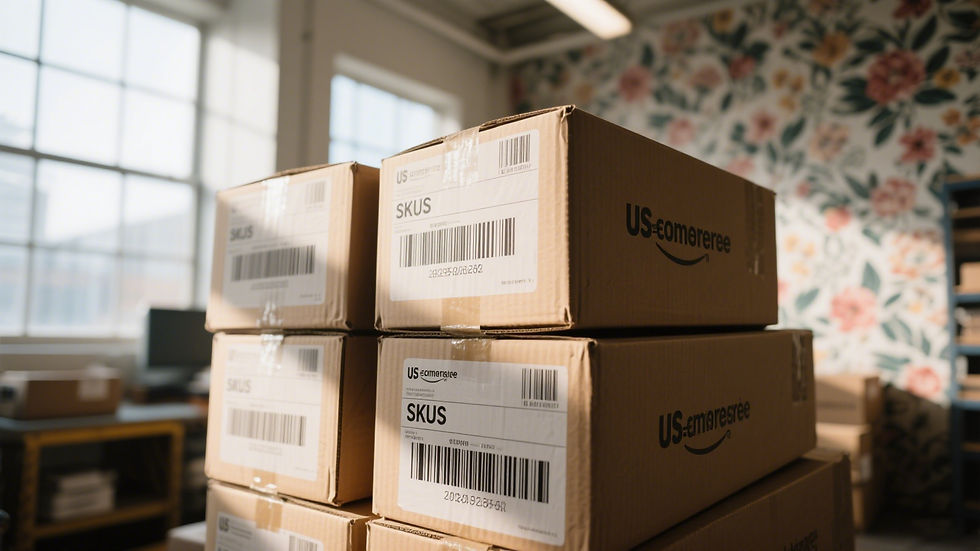
4. Pre-Production Sampling | We deliver 3-day samples printed with your SKU code & barcode | Enables quick internal or retail test |
5. Protected SKU & Private Labeling | Final pattern locked to your brand with optional white-label packaging | Secures design exclusivity for retail and platform sales |
This model is ideal for mid-sized brands looking to create visual ownership while maintaining agility. It’s also optimized for speed—allowing you to capture seasonal or influencer-driven trends before they peak.
Case Study: A U.S. E-Commerce Seller's Floral Success
One of our West Coast clients, a mid-sized Amazon home decor brand, launched a 5-pattern floral collection using our co-branding model. Their previous average monthly unit sales per SKU was 270. Post-launch, the exclusive line averaged 610 units per SKU monthly—a 126% increase.
Key performance lifts:
Conversion rate rose by 18% (due to exclusive design badge + user reviews)
41% of buyers were repeat customers within 3 months
Zero return claims due to color issues (thanks to NoFadeXUV™ color system)
The brand also benefited from improved organic search visibility as the custom SKUs gained momentum in review volume and repurchase rate, prompting Amazon’s algorithm to boost listing prominence.
Cultural Relevance: Why Localization Matters
American buyers have highly specific regional tastes:
Northeast: Leans toward traditional damask or heritage florals
Southwest: Prefers desert botanicals and terracotta tones
West Coast: Favors minimalist, Scandinavian-inspired botanicals
RunpWell integrates these preferences via trendboards based on Google Trends, Etsy search data, and Pinterest pin engagement—ensuring each collection feels "native" to its target audience. For example, a recent co-designed pattern inspired by California's native wildflowers became a top 5 bestseller for a West Coast-based client within two months of launch.
Localization is not just about design—it’s about relevance. By aligning with the lifestyle, climate, and emotional triggers of your target market, you elevate the product from a commodity to a conversation piece.

Why This Model Works for North American Brands
Speed: Designs delivered in less than 7 days, samples in under 3
Flexibility: Zero MOQ co-branded lines
Control: Clients guide, approve, and own the creative process
Compliance: All patterns pass U.S. Prop65, REACH, and CE testing
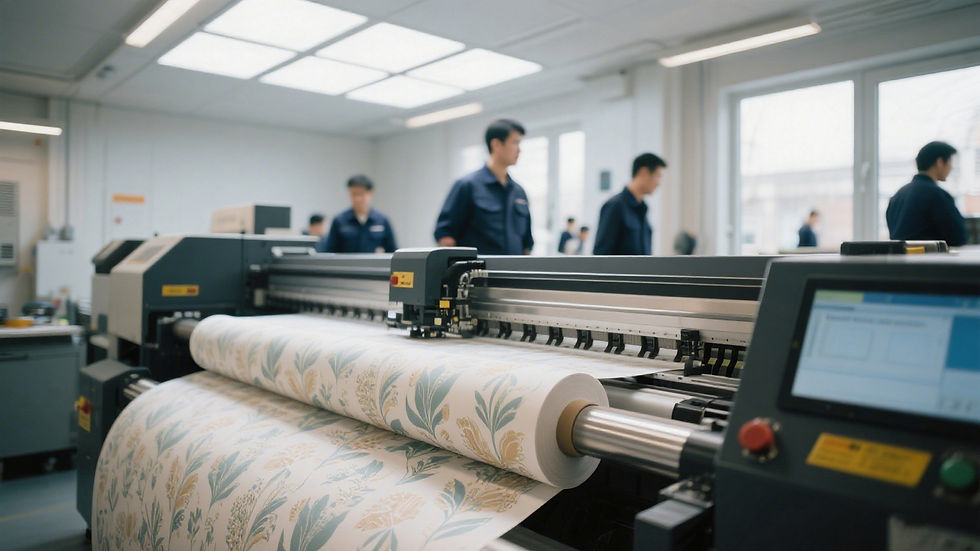
Scalability: Start small, expand fast with our 100,000-meter daily output
This reduces creative risk while expanding design leadership—especially for mid-sized brands seeking retail buyer attention or online platform differentiation. It also supports DTC brands looking to build loyalty through exclusive aesthetics.
Recommended Read Next
→ 5 Common Mistakes to Avoid When Ordering Custom Wallpaper: A Guide for B2B Clientshttps://www.runpwell.com/post/5-common-mistakes-to-avoid-when-ordering-custom-wallpaper-a-guide-for-b2b-clientsThis guide shares actionable tips on artwork formatting, sample approval, and file handoff standards—essential if you're planning to launch your own pattern. It pairs perfectly with the co-branding model to streamline execution and reduce back-and-forth delays.
Ready to Create Your Floral Bestseller?
Email us at dora@runpwell.com
or visit www.runpwell.com to explore co-design opportunities.
WhatsApp: +86 15738309271
RunpWell Decor — Stylish. Smooth. Speedy.

Comments